What Businesses Should Know About Managing Daily Mail Efficiently

Even in a digital-first business environment, physical mail remains important. Contracts, checks, invoices, government notices, licenses, permits, and customer correspondence still arrive every day.
For businesses in
St. Thomas, efficient mail management means having a consistent system for receiving, sorting, storing, and responding to important correspondence. A reliable process can reduce administrative delays, keep documents organized, and help business owners focus more time on customers and growth.
Why Mail Management Still Matters
Businesses continue to receive important documents through physical mail, including:
- Legal and government notices
- Tax correspondence
- Vendor invoices
- Customer payments
- Contracts and agreements
- Business licenses and permits
Losing or overlooking these documents can result in missed deadlines and unnecessary complications.
The U.S. Small Business Administration provides resources to help small businesses establish effective administrative and recordkeeping practices. Making mail management part of those everyday procedures can help ensure important information reaches the right person promptly.
t typing your own or paste your own from a different source.
Separate Business and Personal Mail
One of the easiest ways to improve organization is to keep business correspondence separate from personal mail.
Many entrepreneurs initially use their home address when starting a business. As mail volume grows, however, combining personal and professional correspondence can make organization more difficult.
A dedicated business mailing address can help:
- Keep business correspondence organized
- Reduce confusion between personal and company mail
- Protect residential privacy
- Create a more professional business presence
- Simplify recordkeeping
Business owners who need a dedicated place to receive correspondence can explore Mail Plus mailbox services.
Create a Consistent Mail Handling Process
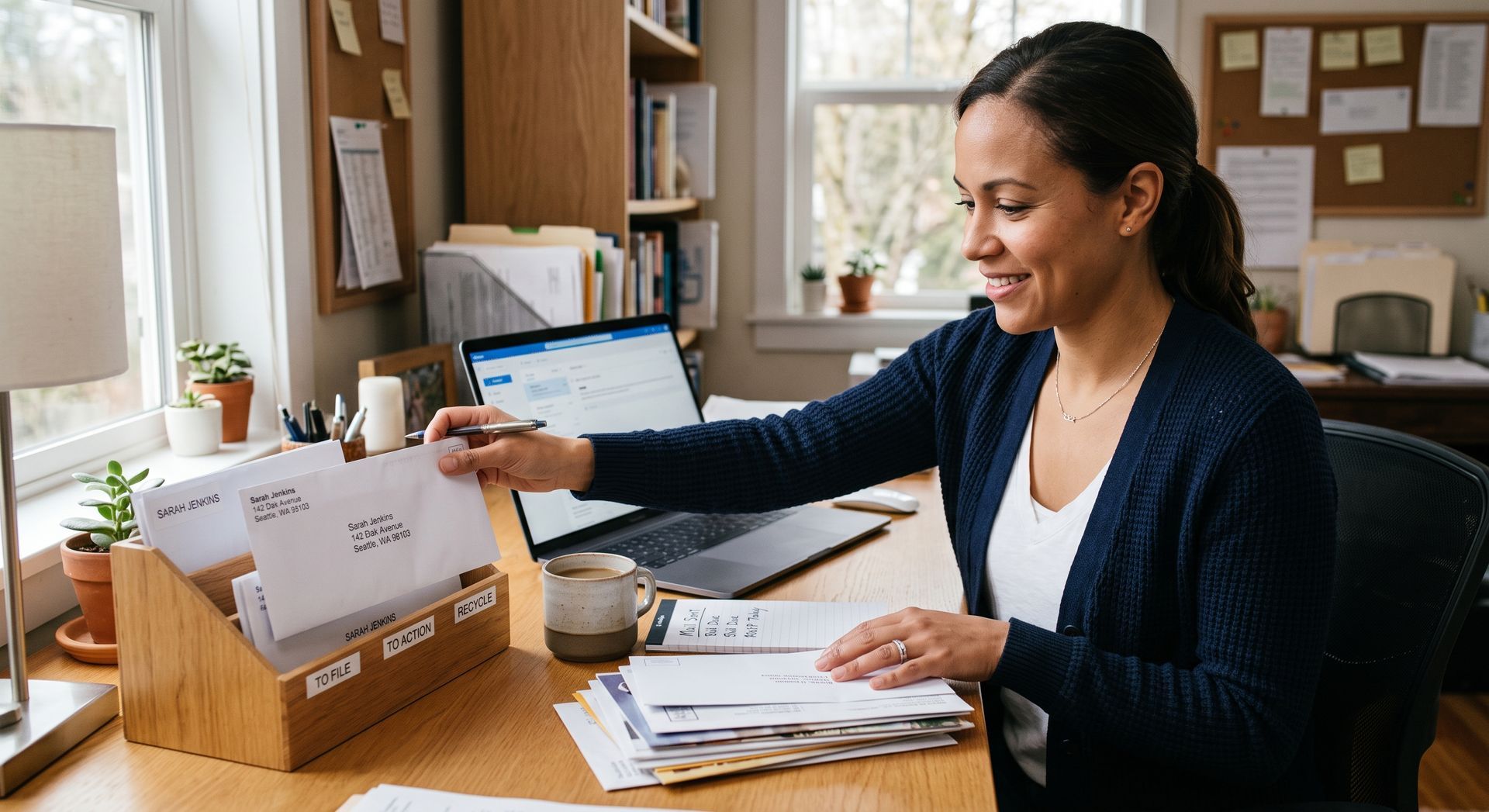
Every business should have a simple process for handling incoming mail. Consistency helps prevent important documents from being misplaced or forgotten.
A basic mail management routine might include:
- Collect incoming mail regularly.
- Separate priority correspondence from general mail.
- Route documents to the appropriate employee or department.
- File records that need to be retained.
- Respond promptly to time-sensitive communications.
If multiple employees handle correspondence, clearly assigning responsibility for receiving and distributing mail can reduce confusion.
Organize and Store Important Documents
Businesses should establish categories for storing correspondence so documents are easy to retrieve when needed.
Common categories include:
- Financial records
- Customer correspondence
- Vendor documents
- Legal records
- Government notices
- Operational records
Some documents may need to be retained for tax or regulatory purposes. The IRS recordkeeping guidance for businesses explains the importance of maintaining records that support business income, expenses, and tax filings.
Businesses may also choose to scan appropriate documents and maintain organized digital copies while retaining originals when necessary.
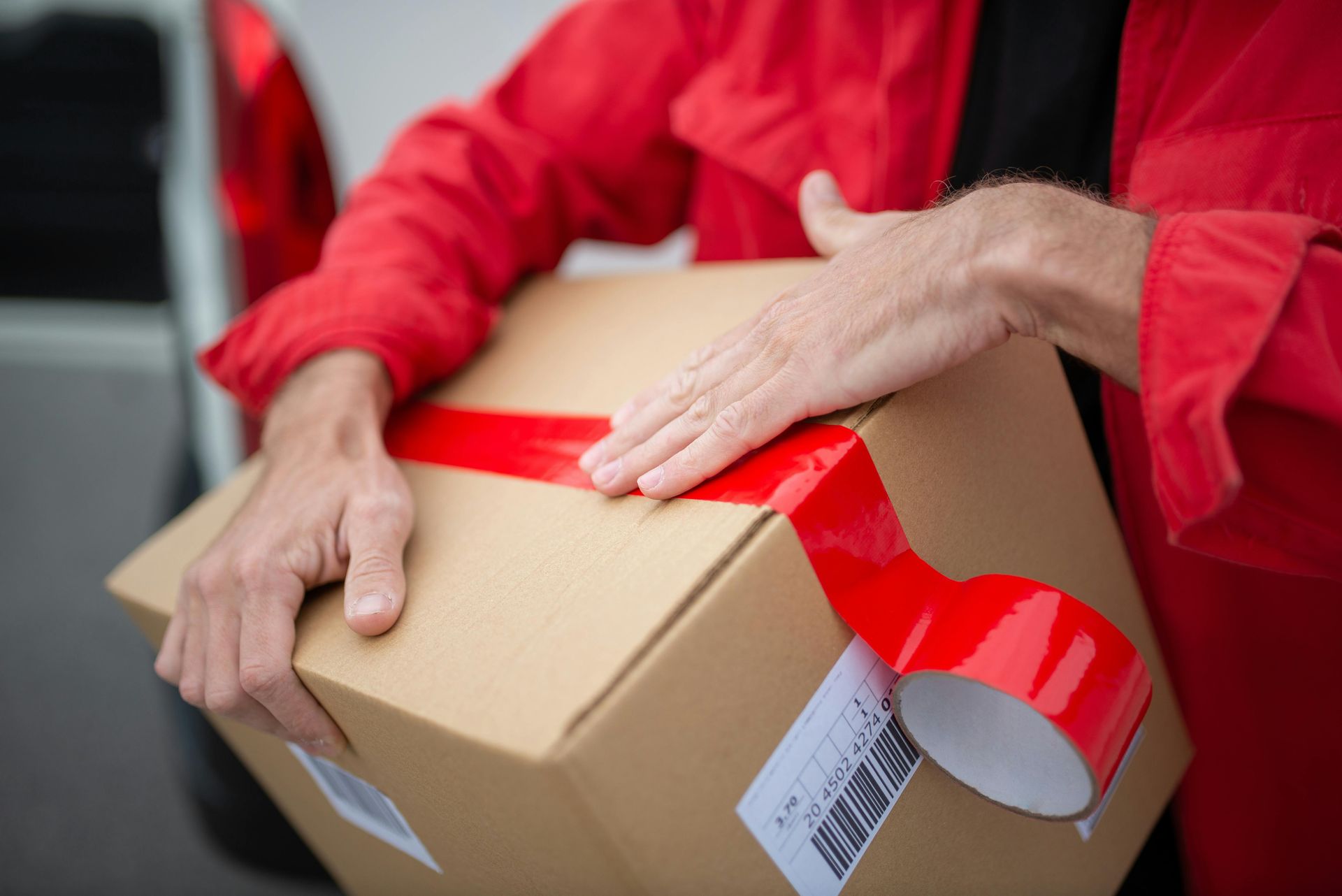
Manage Packages Alongside Regular Mail
Business mail is no longer limited to letters and envelopes. Companies frequently receive packages containing supplies, inventory, equipment, promotional materials, and other essential items.
An effective package management system should make it easy to:
- Receive deliveries securely
- Identify incoming packages
- Prevent shipments from being overlooked
- Keep business and personal deliveries separate
This can be especially valuable for home-based businesses, entrepreneurs who travel frequently, and companies without a traditional office.
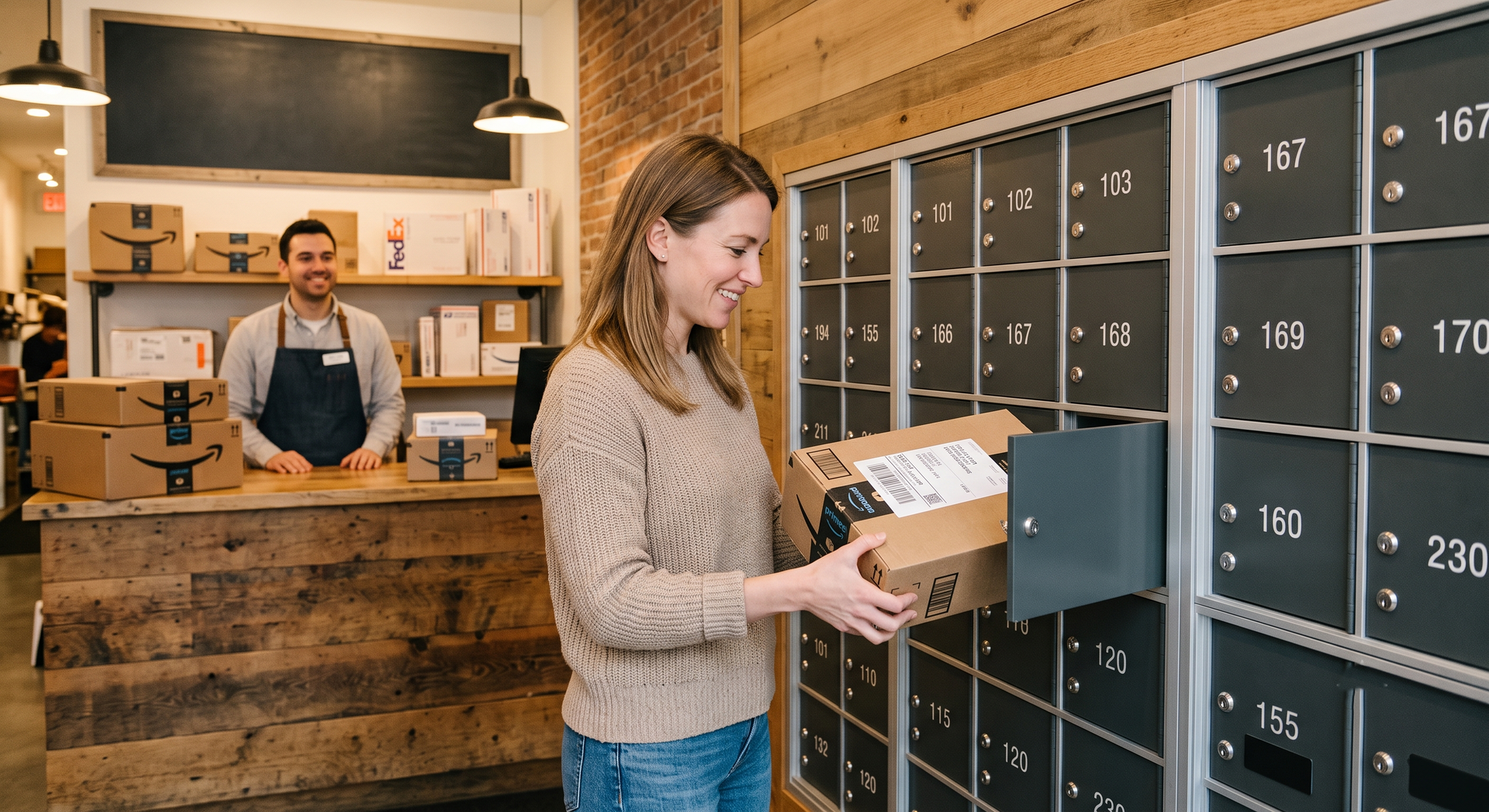
Businesses in St. Thomas can learn more about available mailbox and package services.
Support Remote and Mobile Businesses
Many modern businesses operate without employees being in one location every day. Consultants, contractors, remote workers, field service professionals, and traveling business owners still need a dependable place to receive physical correspondence.
A centralized business mailing address provides consistency regardless of where the owner or employees are working.
This arrangement can be useful for:
- Home-based businesses
- Independent contractors
- Consultants
- Remote professionals
- Startups
- Traveling business owners
Instead of changing mailing arrangements whenever work locations change, businesses can maintain one consistent destination for important correspondence.
Reduce Administrative Delays
Poor mail management can lead to missed deadlines, late payments, overlooked notices, and lost paperwork.
Businesses can reduce these problems by identifying priority mail immediately and routing it to the correct person. For example, invoices can go directly to accounting, while government notices can be delivered to the employee responsible for compliance.
A simple, repeatable process makes correspondence easier to manage and helps prevent administrative tasks from piling up.
How Better Mail Management Supports Growth
As a business grows, its volume of correspondence often grows with it. More customers, vendors, employees, and transactions can mean more documents and packages arriving each week.
Establishing an effective mail system early can support growth by:
- Improving operational efficiency
- Simplifying communication
- Supporting record retention
- Reducing administrative work
- Making important documents easier to locate
A reliable process should be simple enough to use every day and structured enough to remain effective as the company expands.
When Professional Mail Services Make Sense
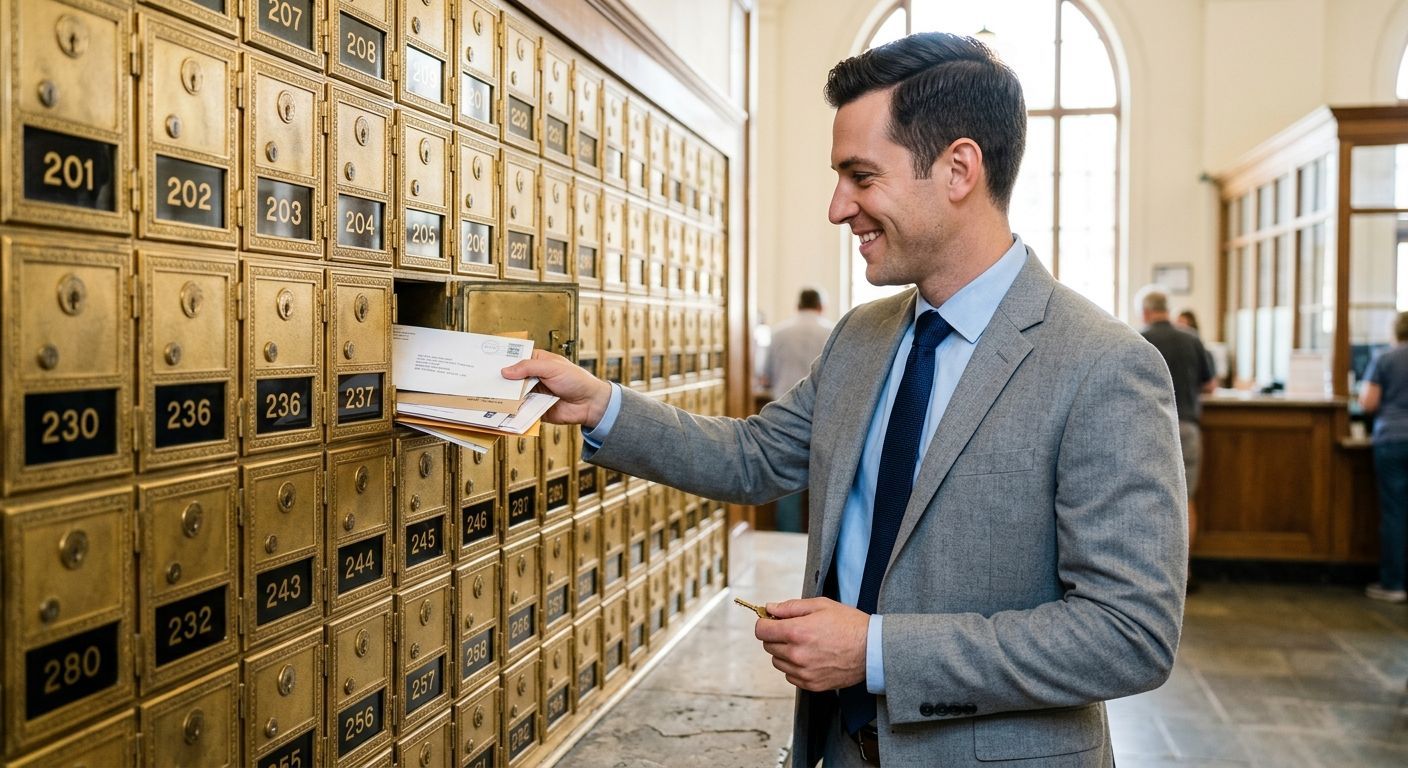
Professional mailbox and mail services can be useful for businesses that need a consistent location for correspondence without maintaining a traditional office.
A professional service may provide benefits such as:
- A dedicated mailing address
- Centralized correspondence
- Package receiving
- Secure mail handling
- Separation of business and personal mail
Mail Plus provides mailbox and related mail services for businesses and professionals in St. Thomas, helping customers maintain a dependable location for incoming correspondence and packages.
Frequently Asked Questions
Why is business mail management important?
Good mail management helps businesses organize important documents, respond promptly, maintain records, and reduce the risk of missing time-sensitive correspondence.
Should I separate my personal and business mail?
Yes. Separating business and personal correspondence improves organization and privacy while creating a clearer distinction between household and company communications.
Can a mailbox service help a home-based business?
Yes. A dedicated mailbox can provide home-based businesses with a consistent location for receiving professional correspondence and packages without relying exclusively on a residential address.
What businesses benefit from professional mailbox services?
Small businesses, startups, consultants, contractors, remote professionals, home-based companies, and traveling business owners may all benefit from professional mailbox services.
Simplify Your Business Mail
Keep important correspondence organized with mailbox and mail services from Mail Plus. Ready to simplify your business mail in St. Thomas? Contact us to get started.